With the 44 day government shutdown lifted, and Supplemental Nutrition Assistance Program( SNAP) benefits restored, hopes are rising for around 42 million Americans who receive SNAP, especially going into the pricey and stressful time of the holiday season.
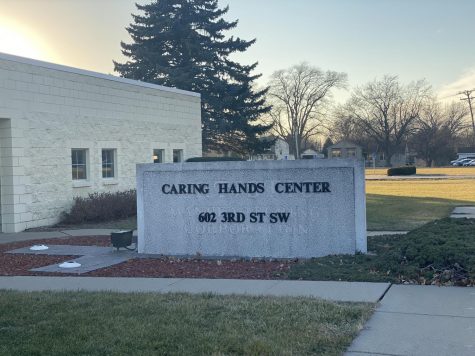
But even with benefits rolling out once again, the effects are still felt for individuals, organizations, and communities all over the country. In particular in the Southeast Polk community, Caring Hands Outreach Center still feels the effects of the pause on SNAP benefits, and other cuts to federal aid.
CEO of Caring Hands, Jodi Urich, gives insight on the reality an organization like Caring Hands faces when it comes to cuts to government aid, the pressures of being a community safety net, and what the organization needs to continue its mission to assist the Southeast Polk community.
The effects of the pause on SNAP benefits had greatly affected Caring Hands,
The cuts to SNAP benefits this year have had a significant and immediate impact on Caring Hands. As families received fewer benefits, more households began turning to us for support. We are now consistently serving over 3,000 individuals per month, a number that rose sharply following the reduction in government assistance,” said Ulrich. “These cuts have especially strained our inventory, increased the need for food rescue, and placed more pressure on volunteers and staff to keep up with growing demand.”
The pause on SNAP benefits was not the only hurdle Caring Hands to jump over, with $1.5 billion of federal food assistance and programs being slashed at the beginning of the current Trump presidency under the D.O.G.E cut initiatives—programs and aid including, the Emergency Food Assistance Program, the Local Food Purchase Assistance Cooperative Agreement Program, and the Local Food for Schools Program.
These early cuts increased pressure on Caring Hands, with Urich mentioning significant changes had to be made, with reorganization of the food pantry, pushing for more volunteer engagement, increasing food rescue efforts, and having to operate on a strained budget.
Pressures continue to loom over Caring Hands, and tighten as the holiday season comes around.
“We are entering the holiday season with hope but also realism. We are hopeful, because our volunteers, donors, and community partners consistently rise to meet needs with compassion. But we are also concerned, because demand is rising faster than resources, and holiday months historically see the highest need of the year,” said Ulrich.
Optimism in the organization, however, remains high.
“Despite pressures, our team’s spirit is strong. Volunteers are in great attitudes, morale is high, and we remain committed to serving every neighbor who comes to our door” said Urich.
Urich also gave some insight on the debate over food assistance, with some Americans believing that private and local assistance should replace government aid.
“Private donations have been lifesaving—community generosity is the reason we are able to continue serving at our current level. However, private support cannot fully replace government assistance. Government programs operate at a scale that no food pantry can replicate. When those programs are cut: Pantries struggle to keep shelves full, more families fall into crisis, and the burden shifts heavily onto nonprofit organizations,” said Ulrich.
Both government and private support is essential, and private aid shifts often based on the economy, seasonal giving, and overall awareness, while government aid typically stays consistent, which is required when providing safety nets for the community.
Urich also mentioned that food insecurity is not a demographic issue but a community, that people all over the community are affected by this issue, from families getting by paycheck to paycheck, seniors on fixed incomes, and many more facing personal crisis.
“Food banks are doing everything we can, but we cannot keep pace with rising need without strong public policy support. Cuts to SNAP and other programs do not eliminate hunger—they shift the burden onto local nonprofits who are already stretched thin. Investing in food security is not charity—it is community stability, child development, public health, and economic resilience,” said Ulrich.
If you would like to make a difference and help fight hunger in the community, consider making a donation or volunteer at Caring Hands Outreach Center in Altoona, donation hours are posted on their website, and contact information to volunteer is also there. Donated items that are in high demand right now include, protein, cereal, rice, pasta and pasta sauce, hygiene products, and winter clothing. Cash donations are also acceptable as they allow Caring Hands to purchase any needed items.
Lastly, if you or someone you know is facing food insecurity, Caring Hands is there to support those in need, as well as the St. Vincent de Paul Church in Des Moines, and the DMARC Food Pantry Network all across the metro.