On January 12 2026, Pete Stauber, a representative from Minnesota, proposed a joint resolution that overturns the 20-year mining ban on the Boundary Waters Canoe Area (BWCA). On April 16th 2026, the Senate voted 50-49 to pass the bill, removing protections for mining in the Boundary Waters.
The main resource that’s being targeted is copper. Twin Metals is the company conducting the mining, and is controlled by a different company called Antofagasta PLC. Antofagasta PLC is based in Chile but they primarily ship their products to international markets in Asia. So when the future projects to mine in the Boundary Waters happen, they won’t even benefit Americans.
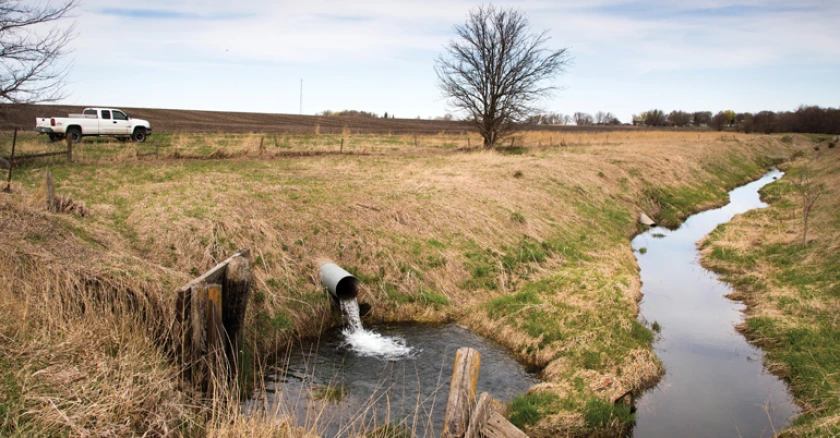
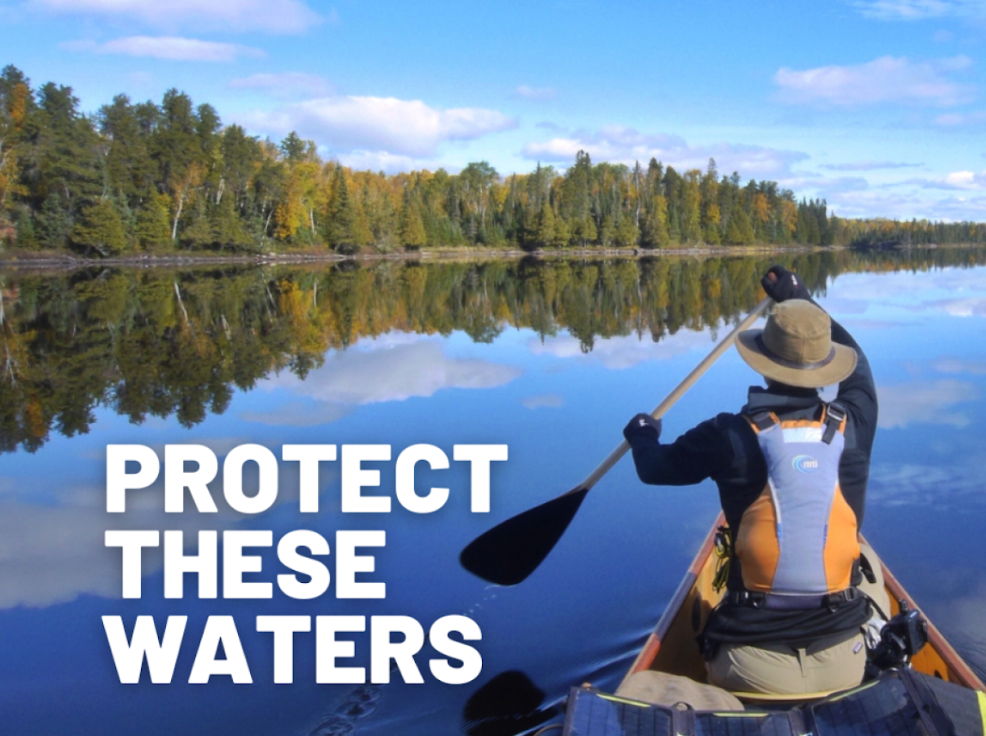
Our most valued resource isn’t copper: it’s water. The Boundary Waters contains 20% of all of the fresh water in the U.S. national forest system. Copper mining directly affects those waters. During the process of mining, giant waste piles are created that contain sulfuric acid, heavy metals, and sulfate pollution. In data from the Alaska Metal Mines Pollution Report, 80% of mines failed to capture or control contaminated mine water. This resulted in contaminated drinking water in the surrounding areas.
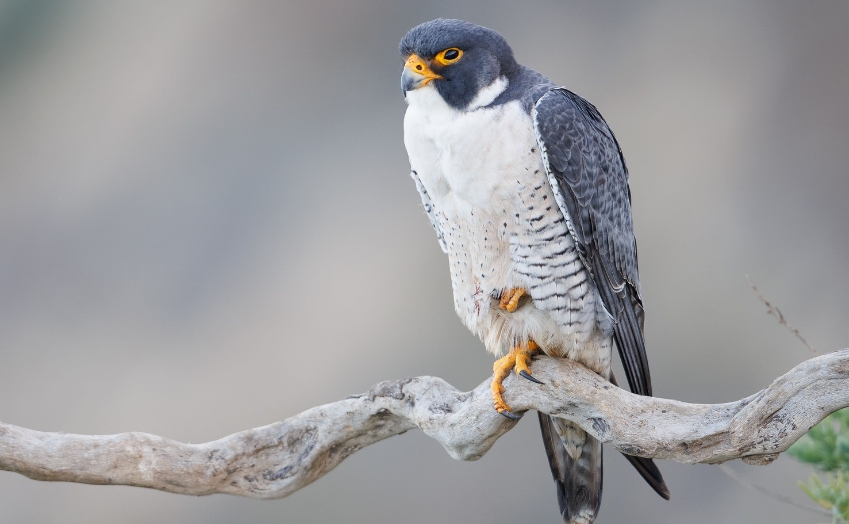
The mining doesn’t just affect the waters but also the animals and local communities. The Boundary Waters area is already home to several endangered species such as the Canadian lynx, grey fox, and northern long-eared bat. The effects of mining would only worsen their endangerment and eventually lead to their extinction. The community will have many jobs extinct with the mining. A whopping 5000 jobs rely on the Boundary Waters wilderness.
Chemical engineer and Boundary Waters donor Mia Divecha expressed her concern for the proposed mine.
“I urge you to support the protection of the BWCA from dangerous sulfide-ore copper mining, so that we can continue to invite in new friends, family, and colleagues to experience this precious place,” said Divecha. “This land belongs to everyone, and deserves to be experienced and appreciated by both first-timers and BWCA veterans for generations to come.”
Even though the bill has already been passed you can still do your part to protect our waters, whether it’s in the Boundary Waters or your local pond. More information about the boundary waters can be found on SaveTheBoundaryWaters.org.