The Watergate Scandal shook the American people to the core, decimating citizens’ trust in the government. More than the longlasting political aftershock, the scandal also inspired hundreds of songs and created the suffix “-gate,” meaning “the incident surrounding __.” Although this was a huge moment in American culture, now, nearly 55 years later, the scandal has slowly faded from our minds.
Watergate was one of many plans by CREEP, or the Committee to RE Elect [the] President, to ensure Richard Nixon remained the president. Nixon was deeply insecure about many aspects of his life, including his presidency, so he created this task force to help him win the reelection against George McGovern, a Democrat with no experience and an abysmal approval rating. This was virtually useless and Nixon likely would have won the election if it wasn’t for this illegally-funded sting operation.
On June 17, 1972, five people associated with CREEP were caught bugging and burglarizing the Democratic National Committee’s headquarters in the Watergate Complex. The five were doused in evidence, including hundred dollar bills, microphones, and cameras. They were given $154,000 ($1,225,000 today) to keep quiet.
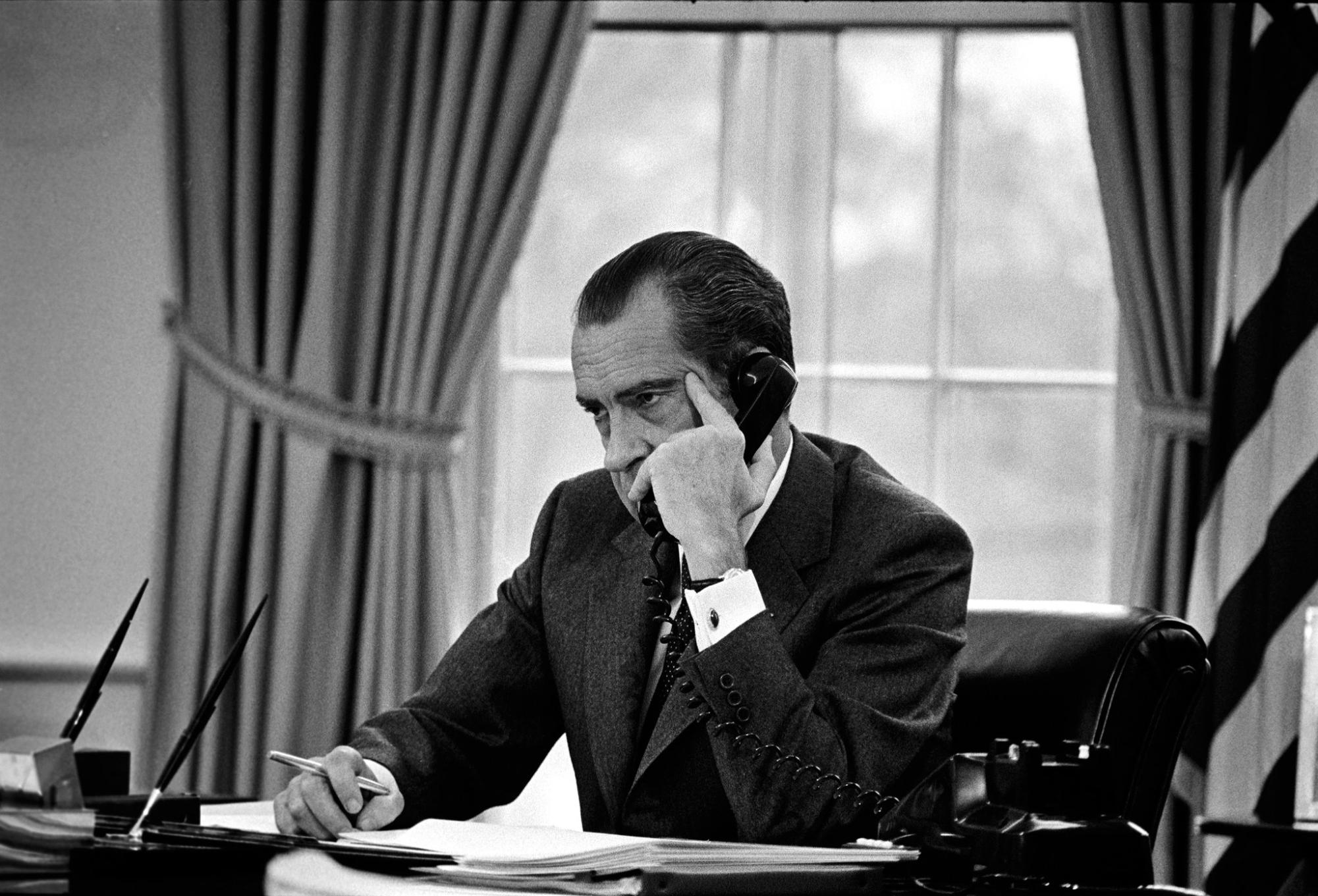
Alongside CREEP, the government also had so-called plumbers who prevented information from leaking. Part of this was Nixon recording everything in the Oval Office, unbeknownst to every person he spoke to. One of the recordings included Nixon admitting to knowing about and heading CREEP—the smoking gun tape.
The smoking gun tape and an anonymous journalist known as “Deep Throat” lead the country’s struggle against the corruption in the federal government. Nixon ordered the CIA to obstruct the FBI’s investigation and refused to give them the tapes, though he conceded under the condition that they’re only given to an ancient, nearly-deaf senator.
The tapes were eventually released to the public, though there were huge cuts and gaps of silence. There was a public outcry wherein 350,000 telegrams were written to congress to hold Nixon accountable. Richard Nixon gave a televised speech in which he famously stated that he is “not a crook,” contrary to what every news outlet was telling the American people.
Richard Nixon was given the option to resign or be convicted and impeached by the Senate, so, with no better choice, Nixon resigned on August 8th, 1974. A month later, his replacement, Eisenhower, officially pardoned him from any crime that he “may have taken part in” during his presidency. In total, 69 people were charged for involvement in Watergate.
Aside from the Watergate scheme, CREEP had plotted Operation Sapphire: a boat with various sex workers to entrap high-up Democrats at the convention, but sadly it never came to be.
Despite the fact that it was unsuccessful in any possible manner, Watergate was an influential event that shaped the years after. This happened during and directly after the Vietnam War when U.S. citizens were already building distrust in the government.
For years after, Americans would think, “the government wouldn’t do that,” then immediately receive a staunch reminder that it absolutely would.