
Around the school, you might have noticed posters of inspirational women hanging from walls; if you didn’t, the posters are for National Women’s History Month. March is National Women’s History Month, a time where we can celebrate powerful women, from all walks of life, that have pushed our society forward.
The national month started as a local celebration in Santa Rosa, California. The Educational Task Force in Sonoma County selected the week of March 8, what used to be National Women’s History Day, to hold a week-long celebration of various different women. This was in 1978, however in 1980 a group of women historians and passionate ladies from the National Women’s History Project lobbied together to convince President Jimmy Carter to make March officially Women’s History Month. Women, such as Molly Murphy MacGregor, Mary Ruthsdotter, Maria Cuevas, and many more successfully convinced Carter to sign the issue, and in February of 1980, March was declared National Women’s History Month.
Throughout American history women have been an often overlooked pillar of strength and determination.
During the start of our nation, women such as Abigail Adams, a powerful women’s activist, Margaret Cochran Corbin, a woman who took over her husband’s cannon during the Battle of Fort Washington, and Lydia Taft, the first women to legally vote in America, have paved strong paths for the following generations. These ladies, though left out of textbooks, will always be commemorated through the new ideas and beliefs of the women in current generations.
Women have often struggled to find their footing in the male dominated areas. Many women in STEM have pushed the boundaries of women in the workplace. Katherine Johnson, a NASA mathematician critically contributed to the success of the 1969 moon landing, Chein-Shiung Wu, a significant contributor to the success of the Manhattan Project, and Ruby Hirose, a biochemist whose research led to the cure for Polio, have all given women the power and respect to continue to find their footing in areas where women aren’t always welcome.
Many women have also called for social change and reform throughout the years. These women have greatly impacted how women are viewed and treated by society. Ladies such as Ida B. Wells, an educator and journalist who exposed racial violence in the South, Marsha P. Johnson, a transgender woman who led the LGBTQ+ rights movement, and Gloria Steinem, a leader of the feminist movement, have all impacted society’s views on women and how they should be treated.
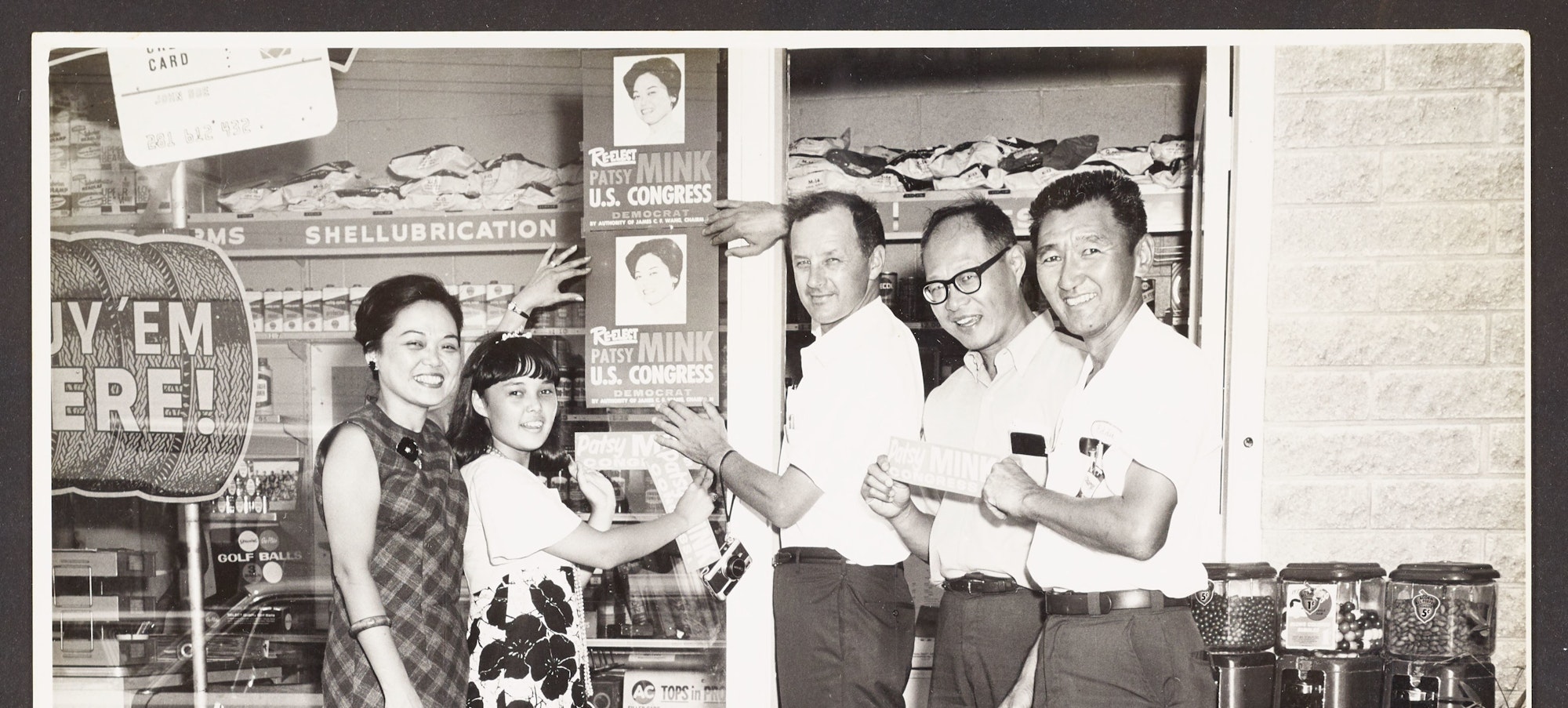
Many girls in high school play sports, but it used to not always be this way. Thanks to Patsy T. Mink, the representative that introduced Title IX, a law saying there can’t be sex discrimination in education programs or activities, girls across America can regularly participate in sports. However, before 1972, when the law was passed, many women still trail blazed in the area of sports. Kathrine Switzer, the first woman to run the Boston Marathon, and Billie Jean King, a tennis player who won the “Battle of the Sexes” match, are two women who stood up to the notion women weren’t allowed in sports.
Women have also always been there to protect the country in many various ways. Through nursing men back to health during war like Clara Barton, or actually enlisting in war like Loretta Walsh, the first American woman to enlist non-nurse, and even helping take over men’s jobs like the Rosie the Riveter movement during WWII, women have always been a backbone during America’s trying times.
Education has always been an area where women have dominated and pioneered. In the mid eighteen hundreds teaching shifted from being a male dominated field to being run by women. This is due to the Civil War taking place. The teachers would teach in one room school houses with varying grades in the building. The women often had strict rules on what they should wear and how they should act, but as you look around the halls today, the teaching style has majorly shifted. Thanks to women like Elizabeth Peabody, who introduced the first English-speaking kindergarten in America, Ella Flagg Young, the first woman to lead a major urban school, and Catholic nuns, who established various colleges for women to attend college and created a network of schools across America, America has been able to move past one room schoolhouses to massive high schools. This shift has allowed for many more children to gain access to education across America.
Women’s History Month is to honor the resilient women of the past, but also to inspire women to come. Current women that are making waves in history are Malala Yousafzai, an activist for equal education, and Michelle Obama, a previous first lady who campaigned for better education for young girls through the “Let Girls Learn” initiative.
Remember to take time to learn about the inspiring women of the past and the determined girls to come, and as Abigail Adams said, “Remember the Ladies.