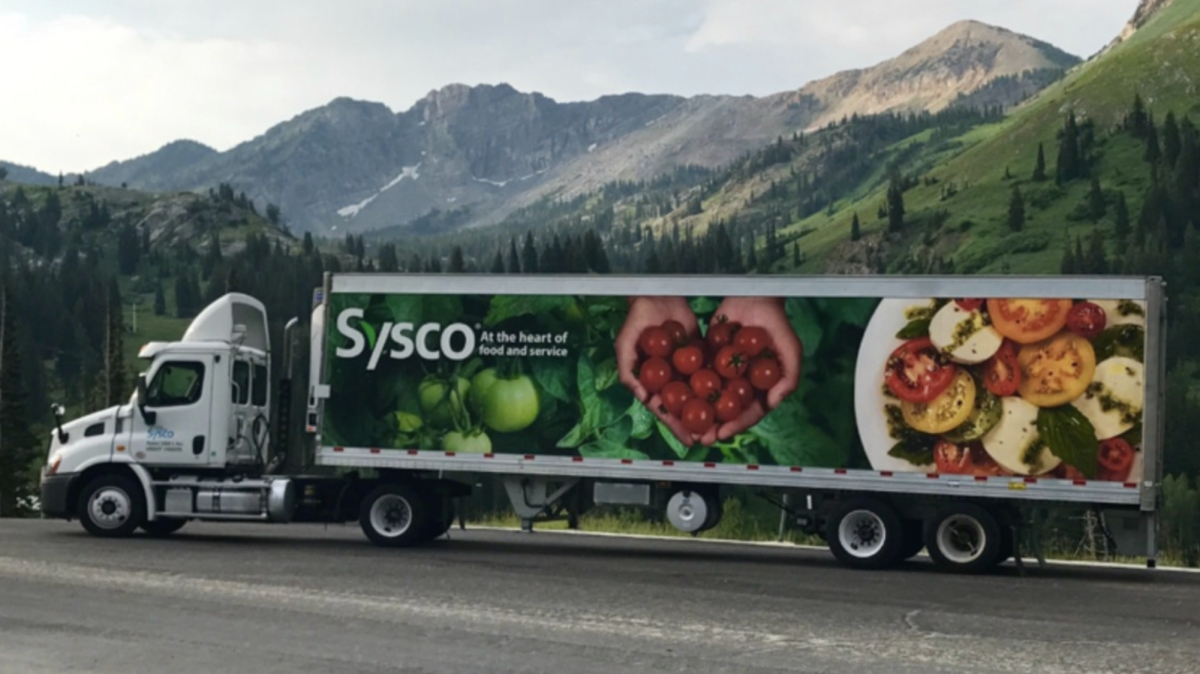






Recently, many social media users have begun claiming that all restaurant food tastes the same. The blame has been placed on Sysco, a food and restaurant supply company. Sysco is the world’s largest food provider, shipping meals to restaurants, schools, prisons, hospitals, and military bases around the globe.
While most of Sysco’s recent popularity has been surrounding the distribution of their frozen meals, the company sells more than just prepackaged food. Sysco issues both fresh ingredients like eggs or meat, and serveware like plates or to-go boxes, to thousands of restaurants.
Sysco has recently attempted to strengthen their grip on the latter portion of the restaurant industry by acquiring Restaurant Depot in a 29 billion dollar deal.
Before the acquisition, Restaurant Depot acted like a Costco or Sam’s Club that specialized in providing for restaurant owners. It offered nearly anything you could need to run a restaurant, both food and material wise, at consistently low prices.
It is estimated that Sysco now owns roughly 30 percent of the US food distribution industry. This can’t be described as a monopoly yet, but the Restaurant Depot acquisition is a major step forward towards that fate. Sysco has purchased or merged with over 100 food distributors since its creation in 1969, and doesn’t appear to be stopping any time soon.
The mobilization of Sysco may make it easier for rural restaurants to purchase bulk goods at low prices, but severely limits the variety and quality of goods available to consumers.
For many people, one of the most enjoyable aspects of eating food is the culture behind it. Local food providers help keep eating as a unique experience in each region. As Sysco continues to dominate, local providers may not be able to keep up, resulting in the death of local and cultural experiences.
Restaurant owners who care about the ethical sourcing of their food might also be hurt by Sysco’s rise. In order to keep prices low, Sysco has been known to work with companies like Tyson Foods, who have faced many animal cruelty provisions. Additionally, some of their seafood has been sourced from forced labor in China and North Korea.
Sysco has since terminated their contracts with companies utilizing forced labor overseas, but still continues to distribute food from corporation farms that prioritize quantity over quality.