Since 1976, the month of February has been dedicated as Black History Month, a month-long celebration and reflection of the history of Black leaders, movements, achievements, and significant moments.
This year represents a historic milestone in the storied tenure of Black History Month, with 2026 marking 50 years since President Gerald R. Ford recognized Black History Month in the midst of the celebration of the United States’ Bicentennial, becoming the first president to recognize the month. This year also marks 40 years since Congress officially designated February as Black History Month, which happened in 1986 with the passage of Public Law 99-244.
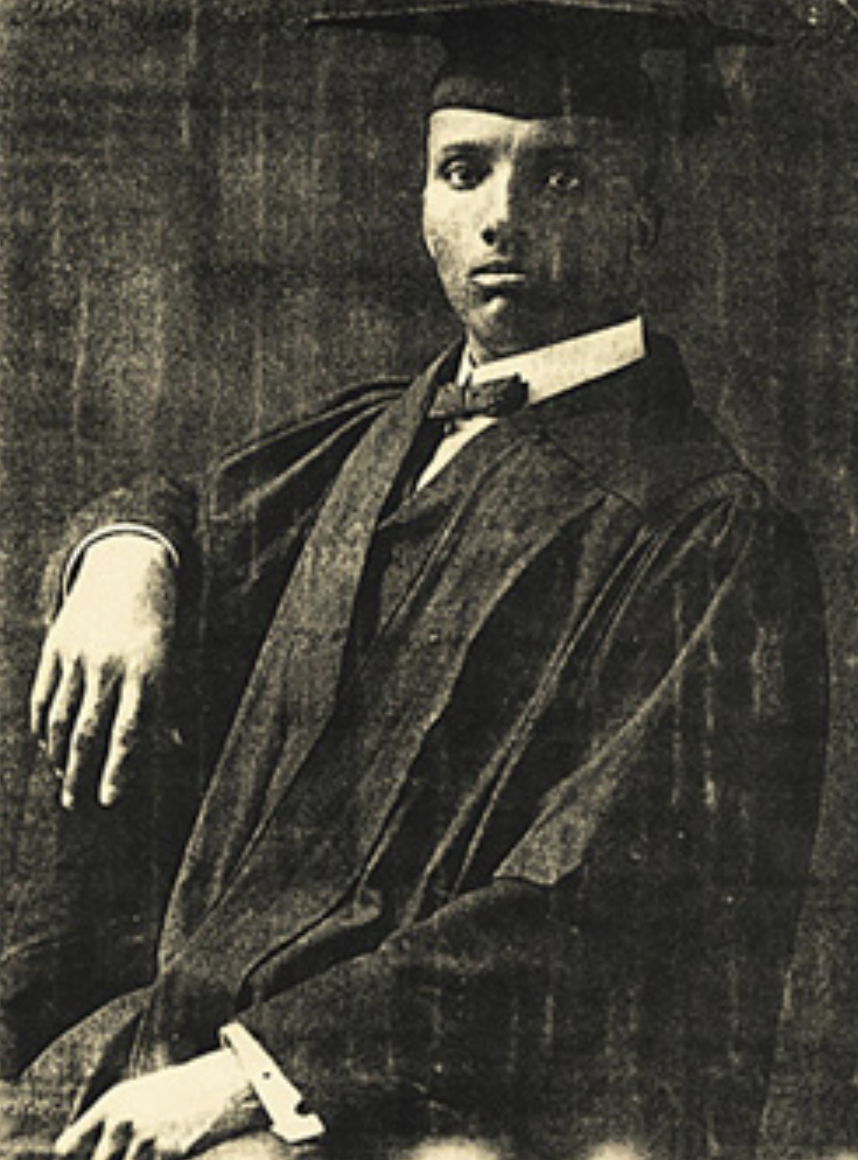
However, the legacy of Black History Month did not begin in 1976 with President Ford’s recognition, it began decades earlier when Black historians and scholars carved the celebration into the American cultural psyche dedicated to the history of Black perseverance and the impact Black Americans have had in our nation’s history, and these scholars were Carter G. Woodson and the Association for the Study of Negro Life and History (ASNLH), now the Assoication for the Study of African American Life and History (ASALH).
It was Woodson and the ASNLH who initiated the first celebration of the predecessor to Black History Month, Negro History Week, dedicating the week of February 7th to the 14th for its observance. This week was chosen because it included the birthdays of President Abraham Lincoln and abolitionist leader Frederick Douglass, on February 12th and February 14th, respectively.
Woodson and the ASNLH established the first-ever Negro History Week as a response to the lack of Black History taught in school curricula throughout the country. Woodson and the ASNLH hoped that by having a week dedicated to Black accomplishments and history, racist ideals towards Black Americans and racial inferiority imposed on Black Americans would be challenged, with education bridging the gap for racial tolerance.
Unfortunately, issues immediately arose with the first Negro History Week. For the first few years of its existence, the celebration struggled to gain nationwide recognition, with some media outlets and local governments ignoring the week entirely. Woodson also had the issue of individuals or groups attempting to seize control of the week and exploit the week’s mission for personal gain. And of course, there was pushback due to racial intolerance, with some individuals at the time seeing the week as “Un-American” simply because it was dedicated to in-depth education and celebration of Black American History, challenging the norms of the White-centric viewpoint of American History that was taught in schools at the time.
Nevertheless, the week endured, finding footing with local educators and school districts in Delaware, Virginia, and North Carolina, with the introduction of the observance week in 1926. Eventually, celebrations for the week would spread across the nation with time, and then spread to the entire month of February, all while maintaining the focus on uplifting Black Americans and bridging racial divisions through education, bringing us to where we are today.
Thanks to the work of Carter G. Woodson, the Association for the Study of Negro Life and History (ASNLH), early educators, and accepting community leaders, Black History Month has brought people together, strengthened pride in heritage and history, and made communities more vibrant and strong through increased racial tolerance and knowledge of history.
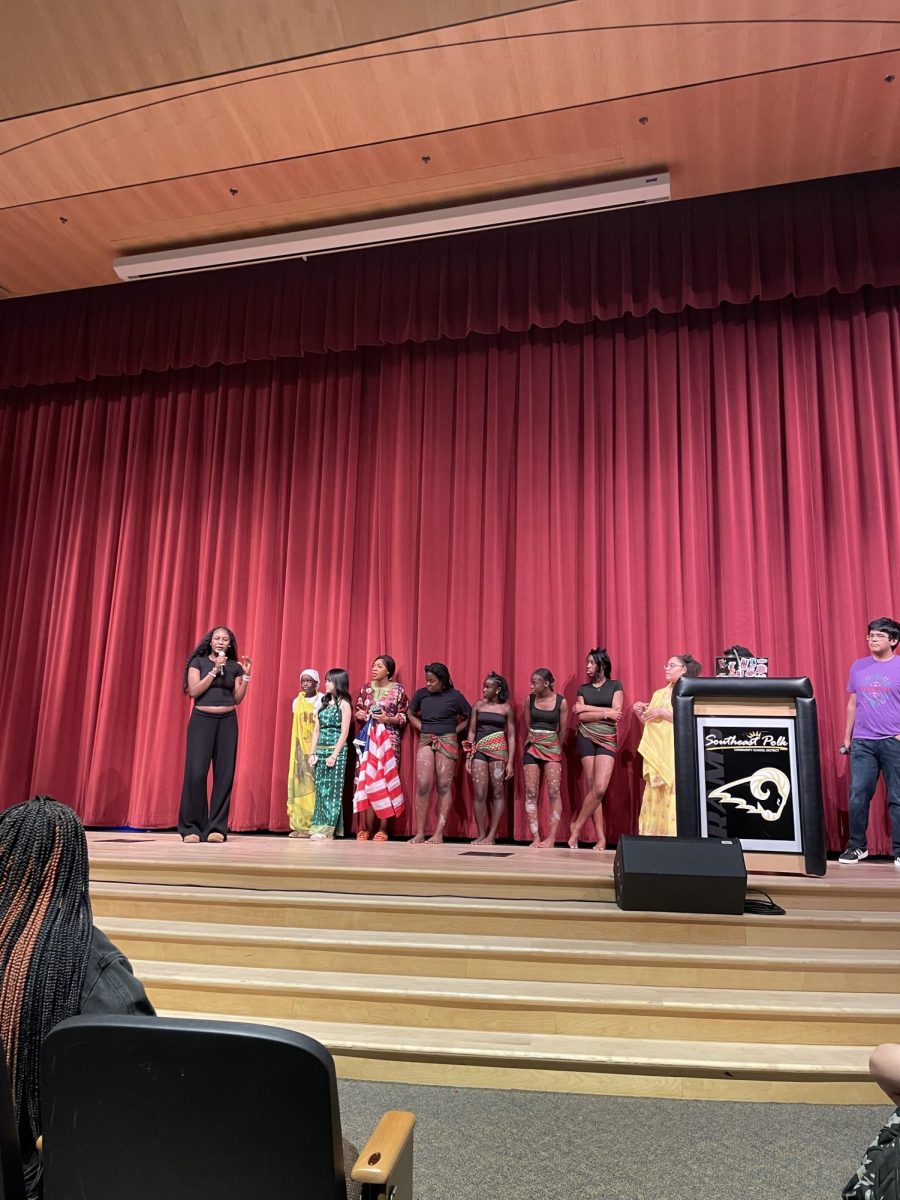
Also, thanks to the dedication and efforts of these early pioneers for racial unity, our community here at Southeast Polk can join in the jovial and enlightening festivities. Southeast Polk High School’s very own Culture Club has set up decorations in celebration of Black History Month across the second floor of the high school, with quotes from Black leaders, thinkers, and orators lining the locker banks, and a bulletin board centerpiece featuring influential Black figures right next to the history hallways.
The underlying spirit and message of Black History Month does not fall upon deaf ears with Culture Club. The club says that the message of uplifting groups of people through celebrating cultural history and heritage, bringing people together in these celebrations, and helping to bridge the gap between people through mutual understanding and learning from each other’s cultural heritage and history are all things that Culture Club stands for—the same beliefs held by Carter G. Woodson and the ASNLH.
Individually, students also expressed how significant Black History Month is to them and the importance it holds to them.
“This month [Black History Month] is significant to me because it gives recognition to historical figures that have paved the way for Black People,” said sophomore Angeline Neymah.
Junior Michelle Barno also expressed her appreciation for Black History Month.
“This month is significant to me because it honors the struggles and efforts of the Greater Black Individuals before me that paved the path for us to be here today.”
It is clear to see that the same ideals and mission that motivated Carter G. Woodson and the ASNLH to first celebrate and push for public observance for Black History and Cultural have not been forgotten in the 100 years since.